Discovery & planning
Validate the idea before you fund the build. A focused discovery phase tests demand, fixes scope and budget, and cuts the risk of overruns.
Most overruns start before a line of code is written, with a scope nobody tested. Discovery is a short, focused phase before the build. We talk to the people who will use the product, check that the demand is real, map what the first version must do and what it will take, and name the risks while they are still cheap to deal with. You finish with a plan you can fund with confidence, or with a clear reason to change the idea first.
Plan a discovery phaseWhat you get
Evidence of demand
Interviews and research that show whether people have the problem and want your answer to it.
A fixed scope
The features of the first version written down and agreed, with what is out of scope named too.
A budget you can plan around
An estimate of cost and time built from the agreed scope, so you know what the build takes before you commit.
Architecture on paper
The main technical choices and how the parts fit together, reviewed by senior engineers.
A clickable prototype
The key screens as a prototype you can put in front of users and investors.
How it works
- 01
Interviews and research
We talk to your future users and study the market and the alternatives they use today.
- 02
Scope and priorities
We turn what we learn into a feature list and agree the first version with you.
- 03
Architecture and estimate
Senior engineers design the system and estimate cost and time against the agreed scope.
- 04
The plan handed over
You get the findings, scope, prototype and estimate, ready to fund the build with us or anyone else.
Related case studies
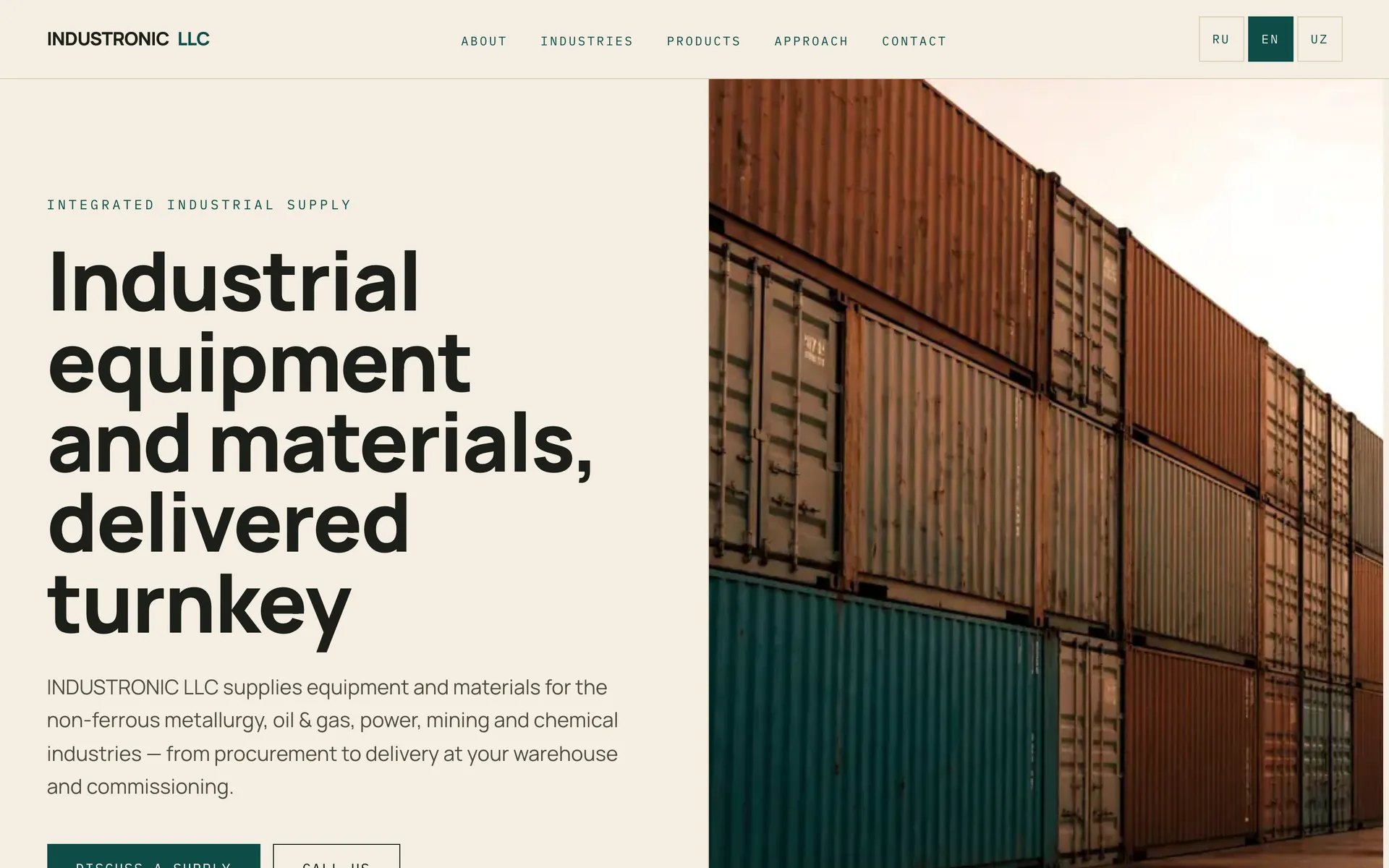
Industrial equipment supply · B2B
A supplier platform for industrial equipment
Present a technical range accurately and turn every buyer’s enquiry into a structured request the sales team can act on.
In production, delivered to contracted scope and deadline.
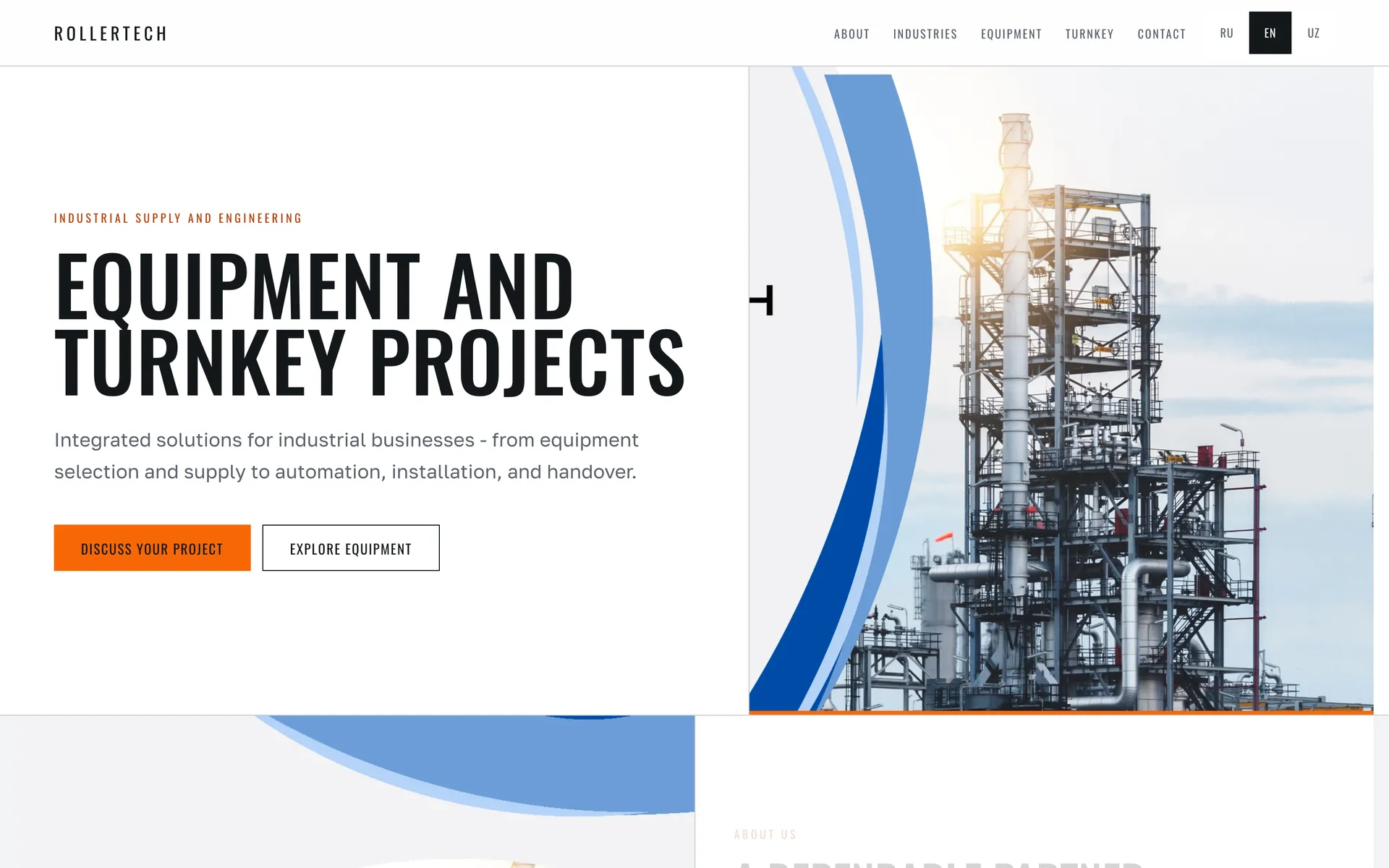
Industrial supply and engineering · B2B
One platform for buyers and engineering clients
Serve two audiences at once: buyers finding the right part, and clients weighing what the company can build.
In production, with repository and code ownership handed to the client.
Several ways to work with us
Pick the shape that fits. We’ll adjust it as the product grows.
Project
One system, fixed scope
- Fixed scope, fixed deadline
- Led by a senior engineer
- Full code ownership
- Direct communication
Partner
Ongoing engineering capacity
- Dedicated engineering time
- Architecture through production
- Monthly scope reviews
- Priority response
Complex systems
Architecture-first engagements
- Migration and scaling
- AI automation built in
- Senior architecture review
- We own the hard parts
Have questions?
Answers to what we are asked most before a project starts.
What is custom software development?
It is building software around one business and its customers, rather than bending an off-the-shelf product to fit. The work runs from deciding what to build, through design, engineering and testing, to release and the upkeep after it. The result does what your business needs, in the way it works.
What are the common ways to hire developers?
There are three main ones. An in-house team gives the most control, but it takes months to hire and costs the most to keep. Freelancers start quickly, but someone has to lead them and join up their work. A studio brings a complete team of analysts, designers and engineers who already work together, and it grows or shrinks with the project.
How can I start a digital business?
Start with the problem, not the software. Talk to the people you want to serve and check that they would pay for a solution. Test the idea as cheaply as you can: sometimes a landing page with a waiting list is enough. Then build the smallest product that proves the idea, release it, and let what real users do decide what comes next.
What is digital transformation for enterprises?
It is changing how a company works so that software carries more of the load: connected systems in place of manual steps and scattered spreadsheets, old software moved to a modern platform, and decisions made from data. It works best in steps, starting where the gain is largest, with each step released and measured before the next.
What are you building?
Tell us about your project. We’ll get back to you to talk through scope, timeline and first steps.
Want to talk sooner?
Book a quick call